The Ultimate Guide to Website Conversion Optimization
Complete CRO guide for 2026—funnels, session replay, heatmaps, A/B testing, behavior analytics, and AI. Learn a repeatable system to increase website conversion rate.

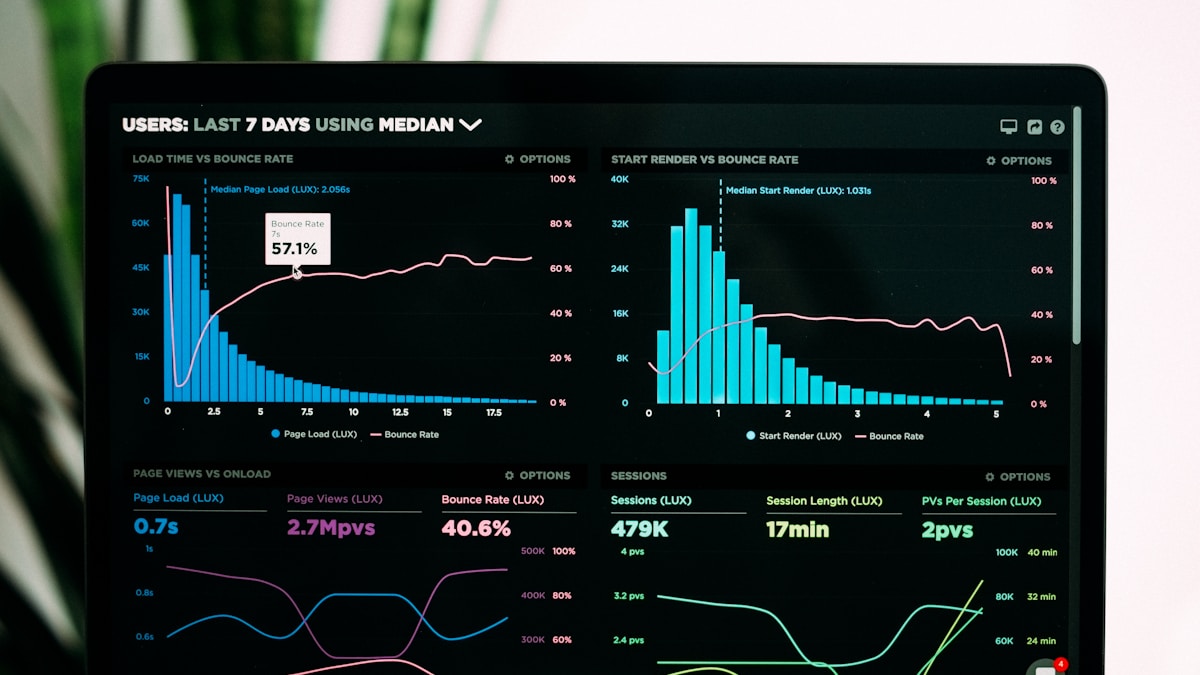
Website conversion optimization (CRO) is not a collection of button-color tests. It is a system for understanding why visitors fail to convert, removing friction systematically, validating improvements, and compounding wins over time.
The best CRO programs in 2026 combine quantitative funnels, behavior analytics (session replay, heatmaps, rage clicks), structured experimentation, and increasingly AI-assisted triage. This ultimate guide walks through that system—from foundations to advanced workflows—for product, growth, and marketing teams.
Table of Contents
- Quick Summary
- What Is Website Conversion Optimization?
- The CRO Stack in 2026
- Phase 1: Measure and Baseline
- Phase 2: Diagnose with Behavior Analytics
- Phase 3: Prioritize and Hypothesize
- Phase 4: Fix and Experiment
- Phase 5: Validate and Compound
- CRO by Business Type
- Common CRO Mistakes
- Frequently Asked Questions
- Key Takeaways
- Conclusion
Quick Summary
Website CRO in one sentence
Baseline conversion → diagnose friction with replay and heatmaps → prioritize fixes → test when needed → validate and repeat.
- Foundation: Clear conversion goal + funnels
- Diagnosis: Session replay, heatmaps, frustration signals
- Scale: AI insights for high session volume
- Never skip validation: Metrics + replay confirmation after every fix
What Is Website Conversion Optimization?
CRO is the disciplined practice of increasing the percentage of website visitors who complete a defined goal: purchase, signup, demo request, trial activation, download, or lead submission.
Conversion rate = conversions ÷ eligible sessions (definition varies by business).
Effective CRO optimizes experience quality for qualified traffic—not merely increasing traffic volume.
The CRO Stack in 2026
| Layer | Purpose | DeepSync / related |
|---|---|---|
| Traffic analytics | Channels, landing pages | Pair with heatmaps vs GA |
| Funnel analytics | Step drop-off | Funnels |
| Behavior analytics | Why users struggle | Replay, heatmaps, journeys |
| Frustration signals | Early warning | Rage clicks |
| Experimentation | Validate at scale | VWO, Optimizely, etc. |
| AI triage | Scale diagnosis | AI insights |
See What Is User Behavior Analytics? for behavior layer depth.
Phase 1: Measure and Baseline
- Define primary and secondary conversion goals
- Build conversion funnels matching real user paths
- Record baseline rates by device, source, and key segments
- Install session recording on all conversion paths
- Enable heatmaps on landing, pricing, checkout, signup
Without baseline, you cannot prove lift.
Phase 2: Diagnose with Behavior Analytics
When conversion drops or plateaus:
- Find biggest funnel leak
- Filter abandoner sessions (workflow)
- Watch 15–25 replays; tag patterns
- Confirm with heatmaps on same URL/segment
- Check rage/dead clicks on leaky step
Specialized guides:
- Increase conversion with replay
- Why visitors leave
- Landing page optimization
- Form conversion
- Cart abandonment
Phase 3: Prioritize and Hypothesize
Score opportunities:
Impact × Confidence × Ease
- P0: Rage clicks on checkout submit (high impact, high confidence)
- P1: Pricing page scroll drop-off (medium impact, needs replay)
- P3: Footer link dead clicks (low impact)
Write hypotheses: "Users abandon signup because mobile keyboard hides OTP field."
Phase 4: Fix and Experiment
Fix directly when replay evidence is clear (broken UI, validation bug, mobile layout).
A/B test when:
- Multiple valid design directions exist
- Traffic supports statistical significance
- Change risk is high (pricing, checkout flow restructure)
Replay explains test results—winning and losing variants.
Phase 5: Validate and Compound
After every change:
- Compare funnel step conversion to baseline
- Watch 5–10 confirmation replays
- Document learnings in team wiki
- Monitor frustration metrics post-release
CRO compounds when learnings accumulate—not when each test is isolated.
CRO by Business Type
| Business | Priority flows | DeepSync solution |
|---|---|---|
| SaaS | Trial signup, onboarding, upgrade | SaaS |
| E-commerce | Product, cart, checkout | E-commerce |
| Agencies | Client LPs, lead gen | Agencies |
| Startups | Single primary conversion | Startups |
Common CRO Mistakes
- Optimizing before diagnosing (UX mistakes)
- Testing button colors while forms are broken
- Ignoring mobile segments
- Replay binge without funnel anchor
- No validation after "obvious" fixes
- Chasing traffic instead of conversion quality
Key Takeaways
- CRO is a system: measure → diagnose → prioritize → fix/test → validate.
- Behavior analytics explains why conversion fails—essential diagnostic layer.
- Prioritize revenue-critical flows: checkout, signup, pricing.
- Validate every change; compound learnings over time.
Conclusion
The ultimate website conversion optimization program pairs rigorous measurement with behavioral evidence—so every improvement targets real friction, not assumptions.
Build your CRO stack with DeepSync—session recordings, heatmaps, funnels, AI insights. Free to start.
Pillar companion: How to Measure Website User Experience.
Frequently Asked Questions
Related articles


Stay in the loop
Get the latest insights on product analytics and user behavior delivered to your inbox.


